
People with lower incomes who plan properly are more financially secure than those earning higher salaries but failing to plan.
 Each year, I am involved in the Money Makeover Challenge, in association with City Press and Absa. It is a highlight in my calendar as it demonstrates the power of financial education to change lives.
The insight I took from this years’ experience was the extent to which people struggle to plan for money events. I have had many conversations with people outside of the Challenge and I see a similar trend with anyone who is struggling financially.
Calculate your essential spend
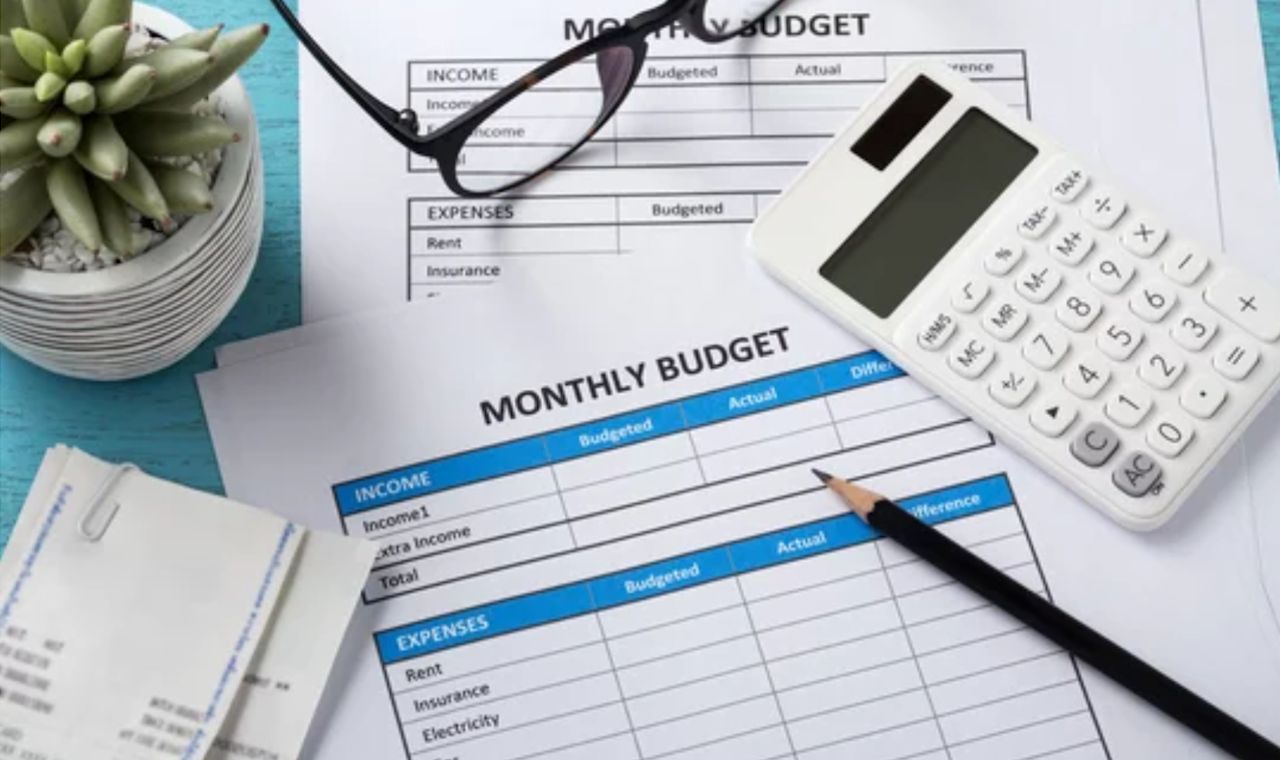
Many people do not budget for their monthly financial obligations. This simple change in behaviour transformed Money Makeover candidate Sandra’s entire financial situation
On payday she would have the feeling of “wealth” as her salary hit her account and she would spend on treats for her and her daughter. Then, halfway through the month, she would run out of money for groceries and fuel and end up putting those on the credit card.
The solution was simple: she tracked her spending over a month and identified how much she needed for things like her daughter’s nappies, groceries and fuel. She made sure all her debt obligations where met, and bought all the nappies and non-perishable groceries she would need, before spending on non-essentials.
As she knew what she spent during the month, she made sure she kept some money to pay for fresh groceries and fuel so she was not relying on her credit card. Non-essentials can still form part of your spending plan, but it has to be exactly that – part of a plan.
Plan for annual expenses
Another budgeting error people make is around quarterly or annual costs such as school fees. I was speaking to a friend who admitted that she goes into overdraft every three months when her daughter’s school fees are due.
This is a financial obligation she knows she will have, so she can plan for it. She is now dividing the total cost of school fees for the year into monthly amounts and saving that each month.
This gives her a much better understanding of her true financial obligation and it means that when school fees are due at the start of each term, she has the money available.
We can apply this for all “lumpy” expenses such as holidays, car maintenance and even expenses like regular medical bills or beauty spend at the hairdresser.
If we allocate money each month towards these items, we will have a better idea of our living expenses and save ourselves a lot of money by not paying interest on our credit cards and overdrafts!
Failing to plan leads to debt
Most short-term debt is simply a result of failing to plan. So, next year, instead of taking on more credit, plan for those money moments by starting a contingency fund in a savings account linked to your bank account.
If you take out a loan for a period of less than six months, the lender can charge up to 5% interest per month, which works out at an annual rate of 60%!
They can then include an initiation fee, monthly service fee and credit insurance.
So, if you borrowed R10 000 for four months, you would pay back:
- R1 430 in interest
- R1 150 initiation fee
- R276 in monthly service fees (R69 per month)
- R180 in credit life premiums (R45 per month)
Your monthly installments including all fees would be R3 258. This means you would end up paying a total of R13 032 over four months. That loan cost you over 30% of the amount you borrowed!
If you had rather saved that installment of R3 258 each month, then you would have R10 000 saved within three months. So, just by planning ahead for your needs and saving instead of borrowing, you would save yourself over R3 000.
If you took out a one-year loan, your interest rate would be lower, as longer-term unsecured loans are capped at 27.75% per annum. But even if you qualified for a 16% rate, the impact of the fees will still result in a significant cost.
If you borrowed R10 000 over 12 months, you would pay R1 190 a month, paying back a total of R14 280, or 42% more than what you borrowed. The longer you borrow for, the more it costs.
On a two-year loan, that R10 000 ‒ even at 16% per annum ‒ will cost you a total of R16 176 – or 61% more than what you borrowed. That is over R6 000 spent on interest and fees.
So instead of going into debt, rather start your own emergency fund by allocating a portion of your monthly budget towards emergencies. If you support extended family, rather than being an ATM, discuss what expenses they will be incurring that year and how much you are prepared to commit towards those expenses. And then save towards it in your contingency fund.
If you are planning a holiday, or have another planned expense, create a proper budget to work out how much it will cost you. Then calculate how much you need to be putting away into your contingency fund each month to reach that goal.
As the old cliché goes, failing to plan is planning to fail.


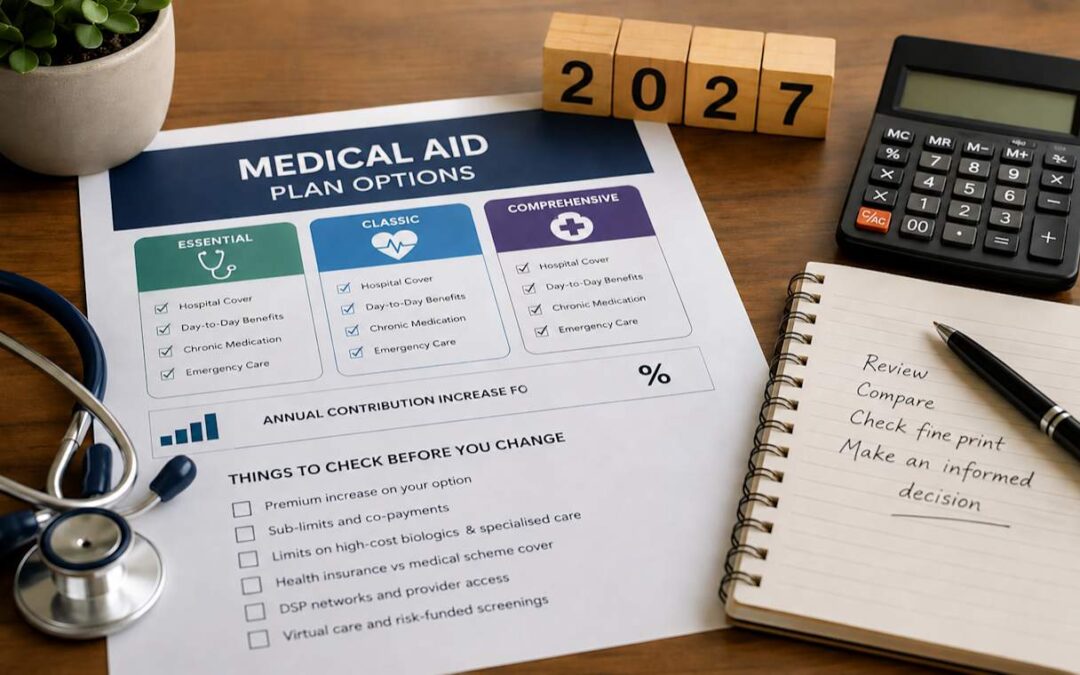



I sometimes have proper planning and then feel off the wagon. As for now will do my annual budget and the essential budget for next year
It is hard to maintain the discipline. My advice is to commit for the next two months to writing down what you spend. Keep your slips and every week (make it a specific day and time) write it all down. This will help you get some insight into your spending and it will make you more aware. This information will also help you develop some rules of thumb that you can implement even if you are not tracking every rand. For example, you will have some idea of what you are spending on groceries and transport costs – that you can allocate each month before you spend on non-essentials.