
Property is still a good investment, but not for the reasons many South Africans think.
For generations, South Africans have been told that owning a home is the ultimate wealth-building strategy.
It’s advice that has become almost financial gospel: buy a house, pay off the bond, and one day you’ll be wealthy. Homeownership was seen as both a lifestyle milestone and a retirement strategy.
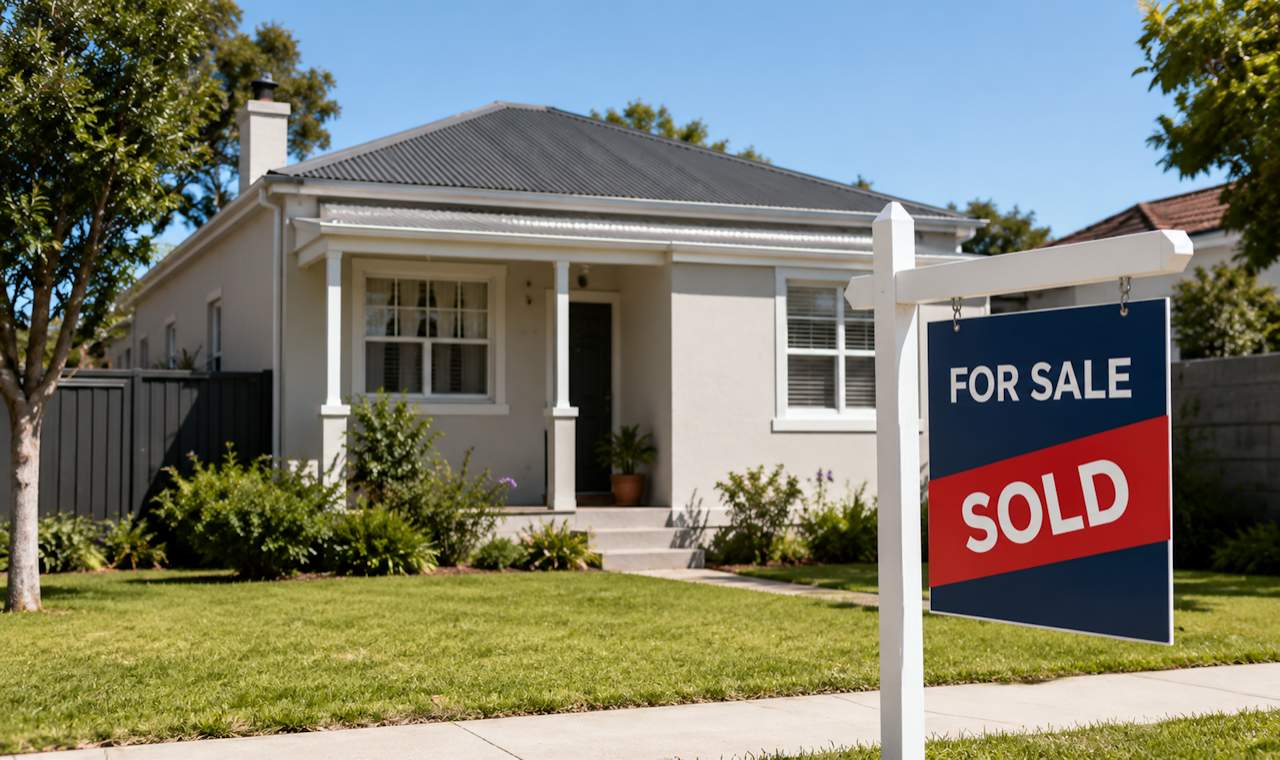 But in 2026, with rising living costs, changing lifestyles, and more investment options than ever before, many young South Africans are questioning whether owning a home should still be the cornerstone of a financial plan.
According to Bryan Nicol, a Certified Financial Planner® Professional (CFP®), the answer is yes – and no.
Property remains one of the most powerful tools for building long-term wealth, but it’s important to distinguish between a home you live in and a property you buy as an investment, explains Nicol.
“A primary residence is first and foremost a lifestyle asset that provides security and stability, while an investment property is purchased to generate returns through rental income, capital growth or both.
“Although a home may appreciate in value over time, that doesn’t necessarily make it the most effective retirement strategy.
“The biggest mistake people make is assuming that property is automatically a good investment simply because property prices rise over time. What matters is the return you achieve after accounting for costs, interest, maintenance, rates and taxes, insurance, and the opportunity cost of tying up your money,” says Nicol.
He adds that while a home is often a family’s largest asset, much of that wealth remains tied up in the property itself.
“Unlike retirement savings, shares or other investments, the house you live in doesn’t provide an income stream when you stop working. The reality is that when you retire, you still need somewhere to live. Unless you’re planning to sell or downsize, that value isn’t generating an income for you. It’s a distinction that many South Africans overlook.”
Low-cost investing is more accessible than ever
At the same time, investing has become more accessible than ever. Investment products such as low-cost index funds, retirement products and tax-free savings accounts have lowered the barriers to entry, allowing ordinary South Africans to build diversified portfolios, often straight from their smartphones.
As a result, building long-term wealth no longer requires millions of rand or taking on significant debt.
But that doesn’t mean property has lost its appeal, says Nicol.
“Property remains unique because it combines an asset with a practical need: a place to live. For many households, buying a home creates financial discipline that might otherwise be difficult to maintain. Every bond repayment gradually converts debt into equity, building wealth over time.”
However, whether buying a home makes financial sense depends largely on individual circumstances.
“Someone who plans to stay in a property for a decade or longer may benefit significantly from ownership. But a young professional who moves frequently for work, or someone buying in an area with weak property growth, may find that renting and investing the difference elsewhere delivers better returns.”
The conversation has also shifted from whether property is a good investment to which property is a good investment.
Do your research
Nicol says, “Property markets are highly localised. Over the past decade, we’ve seen significant differences in performance between cities such as Cape Town and Johannesburg, reminding investors that buying property is not enough and where you buy matters just as much.”
Statistics South Africa’s Residential Property Price Index illustrates the point. Between 2010 and 2022, residential property prices in Cape Town increased by 141%, compared to 71% in Johannesburg.
Location, demand, infrastructure investment, and local economic conditions can have a significant impact on long-term returns. Two properties purchased for the same price in different cities can deliver vastly different outcomes over time, making careful research just as important as the decision to buy itself.
Higher interest rates in recent years have further changed the equation. Rising borrowing costs have increased the true cost of homeownership, making affordability a more important consideration than ever before.
The question, therefore, should not be whether property is still a good investment. The better question is whether it is the right investment for you – and how it fits into your broader financial future.
Rory Brachner, founder of Doshguide, South Africa’s first subscription-based flat-fee financial advice platform, says the decision should always start with a financial plan rather than a property purchase.
“For many South Africans, buying a home will remain one of the biggest financial decisions they ever make. But whether it makes sense as an investment depends on far more than market trends. It depends on your income, lifestyle, financial goals, retirement plans, and the role property plays within your broader portfolio.
“Too often, people start with the investment and then try to build a financial plan around it. The better approach is to start with a financial plan. Understanding where you are today, what you want your retirement to look like, and the goals you want to achieve along the way can help determine whether property should form part of that journey.”
This post was based on a press release issued on behalf of Doshguide.




0 Comments