
If someone jumps a stop street and crashes into you, you could find yourself liable for damages.
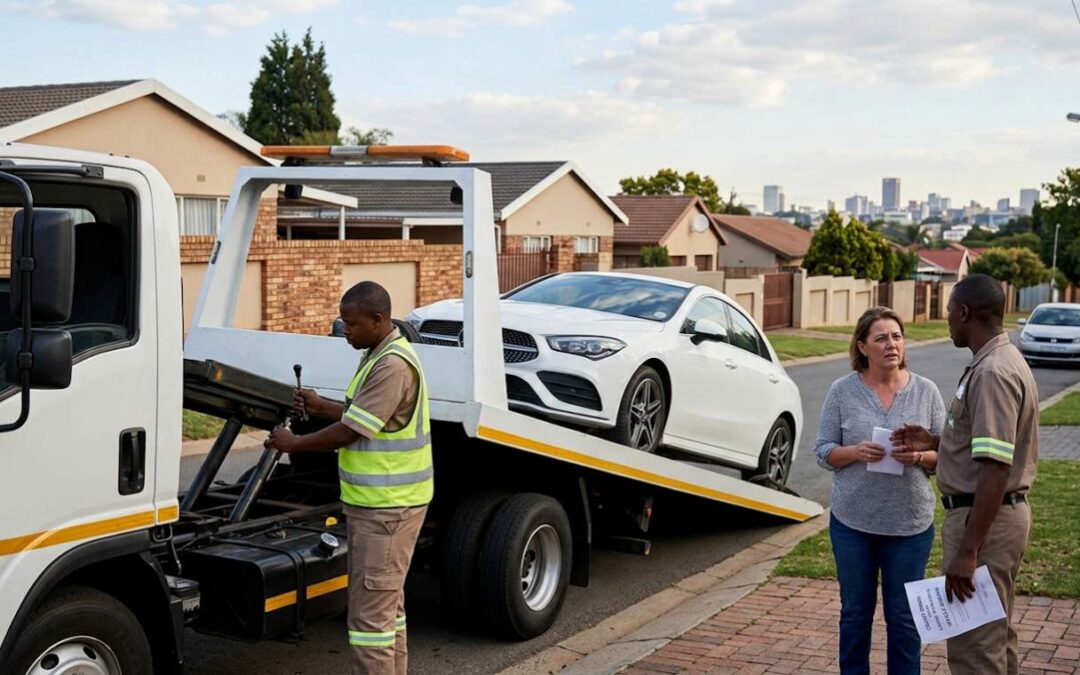
 When Chantal’s car was written off by a driver who jumped a stop street she was confident that the driver’s insurance would cover the full damages to her vehicle as her own insurance was only for third party, fire and theft.
To her shock, not only was the insurance company not prepared to pay the claim but she could have been liable to cover the damages to the other vehicle – even though the accident was caused by the other driver.
This is due to rules set out in the Apportionment of Damages Act which stipulates how much liability each individual carries in the case of an accident. Contrary to common understanding, there is in fact no such thing as a complete right of way on a road in South Africa.
What this means is that a driver has the responsibility to take precautions when entering any intersection. The driver must also be seen to take evasive action to try and avoid the accident. In this case the insurance company in question, Outsurance, found that based on relevant case law, the location of the damages, the accident scene and their client’s version of events, the apportionment was 60/40 in favour of Chantel.
However, due to the extent of damages to the other vehicle, this worked out to a negative offer which would have meant that Chantal would have had to pay Outsurance for damages to their client’s car.
As a result Outsurance made the offer that each party bear their own costs. As Chantal only has insurance to cover the costs of damages to another vehicle she is in a situation where she has to find the money to buy a new car with nothing more than the cash she would receive from a salvage company.
Marius Neethling, Santam’s personal lines underwriting manager, confirms that Outsurance’s interpretation of the law is indeed correct.
Not completely blameless
“There are instances where even though the other person is legally liable against a Santam client, it is still determined that the Santam client contributed to the damage. When defending or settling a claim, we will take the Santam client’s percentage of the contribution to the damage into account,” says Neethling
In a scenario where another driver jumped a red traffic light and collided with a Santam client’s vehicle, Neethling says that in judging the Santam client’s liability, consideration is taken of whether the client could have done something to avoid the collision but failed to do so, such as having swerved aside, as there was space and time to allow it. Neethling explains that under the Apportionment of Damages Act No 34 of 1956 the value of the Santam client’s loss will be reduced by the percentage of his contribution to the loss or damage.
Although Outsurance has subsequently increased their offer to 70/30, Chantal is still having to fund a significant portion of her own losses.
Chantal’s story highlights the need for comprehensive insurance, not only because you can be held liable for other people’s driving mistakes, but also because people are not always truthful or they have a different version of events. Your own insurance company will have more legal muscle to fight the dispute and also to argue the ruling on the apportionment of damages.
Get evidence
Natasha Kawulesar, head of Outsurance’s legal department, says one of the difficulties in deciding on the apportionment of damages is that it often comes down to one driver’s word against another’s.
“Where we get different accounts of the event we accept our client’s word over the other party if there is no independent witness.”
Whether or not you are fully insured, always make sure you get as much evidence of the accident as possible – whether or not you were the cause of the accident. Even if you jumped the stop sign, if the other driver was speeding they could be held responsible. If you were not responsible and were able to demonstrate that you took evasive action, then you may not be liable for any damages.
- Take photographs of both the vehicles and the accident site from several directions
- Try find someone who witnessed the accident – this person must be an independent witness
- Some insurance companies like Santam have apps that allow you to capture the information and photographs which can be sent immediately to the insurer.



there is nothing is important about this act accept creating a big fight among drivers.i agree with girls when they saying men are all same as well as the insurance are doing the same.they re gud to debit but to pay you car demages its story