
by Kagisho Mahura, investment and retirement planning specialist at Gradidge-Mahura Investments.
 The sandwich generation refers to those people who find themselves supporting both their parents and kids financially. The growth of the sandwich generation is an international phenomenon, with developed countries such as the US and the UK experiencing massive growth in the number of people falling into this group.
What financial planning strategy should someone in the sandwich generation adopt?
Much has been written in the media about financial planning for the sandwich generation. Unfortunately not too much has been useful from a practical perspective, and many tend to spew out standard financial-planning tips. The question we need to answer is: what strategic approach should someone who finds themselves part of the sandwich generation take?
What will have the biggest impact on the financial position of those who fall into the sandwich generation and their dependents? From our experience in dealing with many clients that find themselves part of this group, the answer has to be the protection of current and future incomes. In supporting the previous generation, the current generation, and the future generation, there are great demands placed on the incomes of the current generation.
Supporting the elderly
When it comes to supporting elderly parents (and sometimes grandparents), much of the expenses tend to go towards medical and food expenses. It is always advisable to get one’s parents onto a medical aid hospital plan as soon as possible in order to reduce the effects of late-joiner penalties which will save money over time. It is not always possible to afford medical aid or medical insurance for aging parents, meaning that this expense has to be funded from income and any household savings.
Supporting children
Financial support for kids and adult dependents tends to be around education, clothing, transport and food. Unless an effective education investment was taken out many years ago, this expense tends to be a drag on household income as well. As with medical and food inflation, education inflation runs ahead of general inflation over time.
So financial support for previous and future generations tends to be in the form of regular (monthly) commitments, which tend to grow at rates above inflation. This places strain on the incomes of the income earners, which makes protection of this income critical from a financial-planning perspective.
Protecting current and future incomes
Here are a number of practical financial-planning steps for those who find themselves in the sandwich generation:
- Draw up a family budget: budgeting remains the foundation and cornerstone of good money management, particularly when it comes to managing household income. It is advisable to involve those affected by the family budget and involve them in the process, particularly where one is supporting adult children.
- Use tax breaks wisely: people over the ages of 65 and 75 qualify for bigger tax relief than younger taxpayers. A qualified planner should be able to help structure finances in order to take advantage of these tax breaks.
- Ensure that all risks to income are mitigated: insurance plays a critical role in ensuring that household income continues in the event of death, disability, disease or retrenchment of income earners. A financial plan for a sandwich-generation individual should start with a thorough risk analysis.
- Retirement planning is key: if the sandwich generation is to be a one-generation phenomenon, then retirement planning is key to achieving this. A proper plan will ensure that the current generation does not become dependent on the next generation, and that future income is secured.
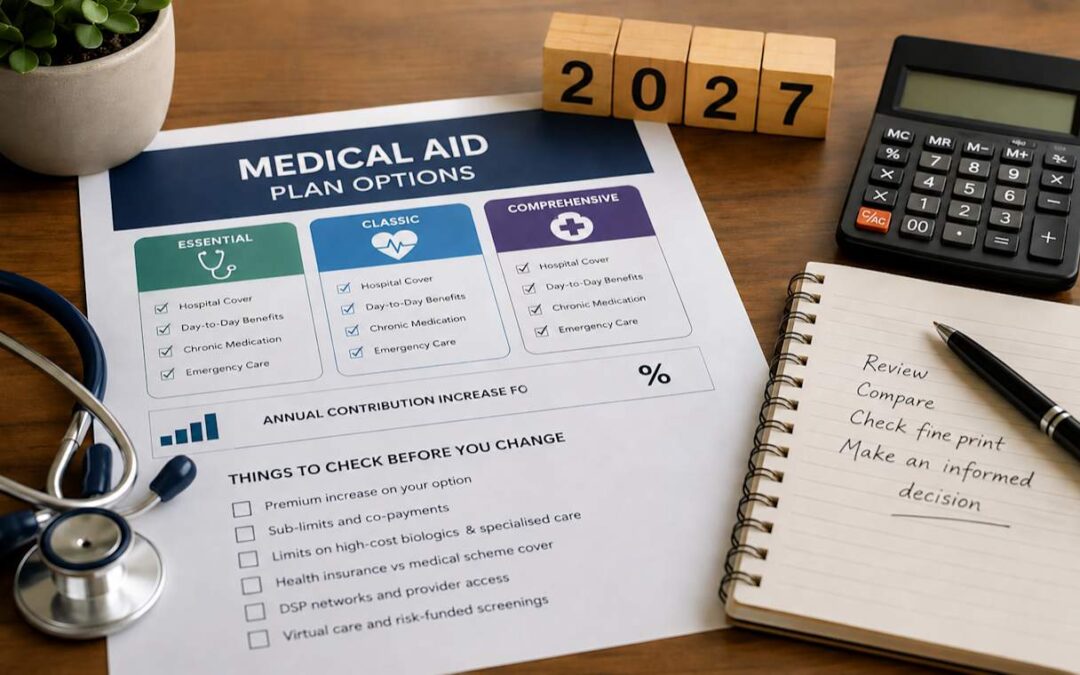
- Understand medical funding options: the cost of medical expenses in South Africa can be significant, especially for elderly people who often require some form of chronic medication or multiple hospital visits. There is often confusion around the issue of hospital insurance versus a hospital plan, and which is more suitable especially when it comes to covering an elderly parent or grandparent.
- Watch the retirement and savings reform closely: one of the proposals from the current reform process is to drop the means test for the state old-age pension. This means that everyone over the age of 65 will qualify to receive a state pension. This could offer significant relief for some households, especially where there is more than one qualifying elderly dependent.
- Work with a Certified Financial Planner: a financial planner can help with appropriate goal-setting, budgeting, drafting and implement a proper and thorough financial plan. A financial product salesman on the other hand is more focused on selling product and has little consideration for the long term or the client’s interest.
This article first appeared in City Press





This was an insightful post and related practical suggestions to financial planning overall and not just for families who need to support others. Thank you for these great suggestions. Will definitely be used in the future!
This entry made me think a bit about my future and the possibility of maybe having to find myself in such a situation someday that I might need to care for both my parents and my children.