
We are only starting to understand that we are facing a water crisis in South Africa.
 I was recently on a panel discussion regarding the future of electricity and water in South Africa.
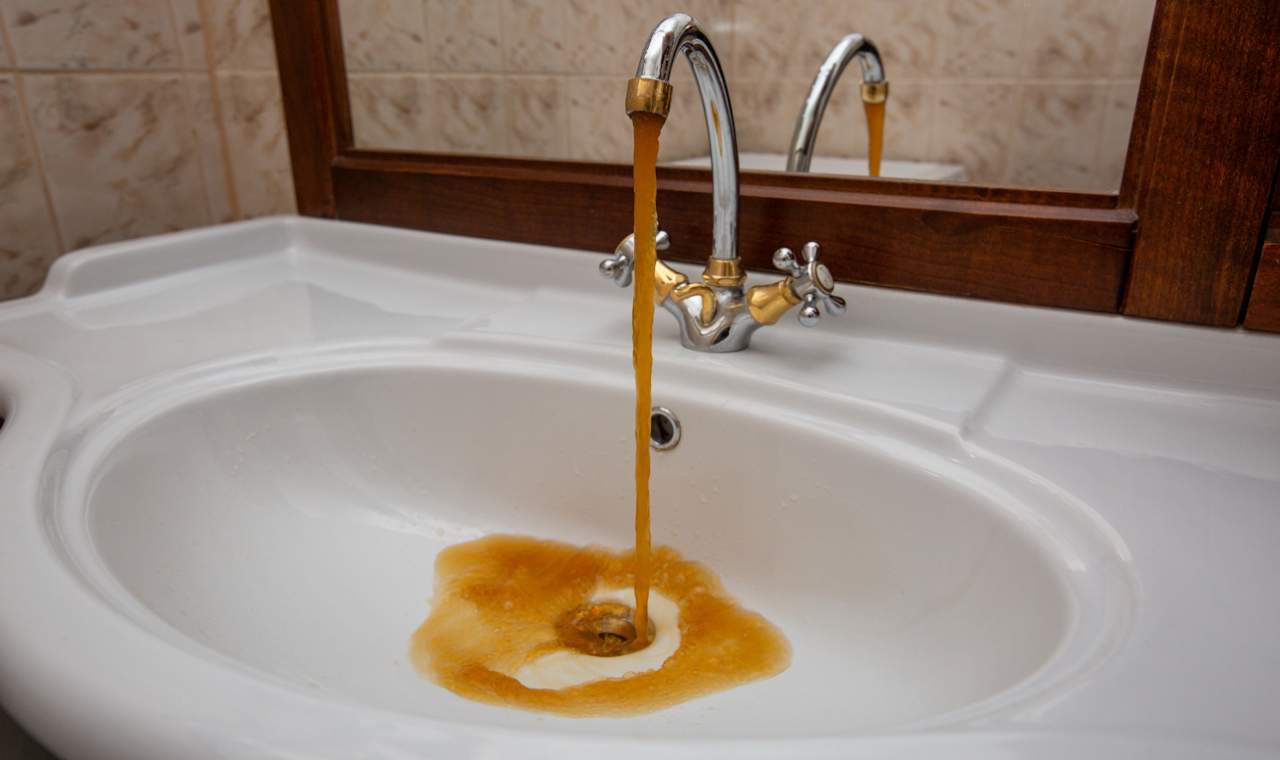
While we are all too familiar with the electricity crisis in South Africa, the statistics that shocked me the most were around the state of our water – both in terms of the frequency of water-supply interruptions, and the deteriorating quality of our water.
Speaking at the Investec In Conversation panel on sustainable living, Professor Anthony Turton, an expert in environmental science, explained that only 3% of sewage that is poured back into our rivers is treated to an acceptable standard.
This is destroying our rivers and our environment – but it also has major implications for the treatment of our drinking water. These rivers flow back into the dams which are used for our drinking water.
Contaminated water can kill, which was highlighted by the cholera outbreak in Hammanskraal earlier this year.
We are also a water scarce country and there are predictions that we will be facing a major drought in the next few years.
This is not helped by the fact that, according to Turton, around 30% to 50% of all the water that is fed into our pipes is lost underground due to poor maintenance and infrastructure.
According to Turton the only way to meet our water demand by 2030 is to use every litre of water 1.6 times. This requires a different mindset when it comes to how we use our precious water resources.
Help avert a water crisis
While individuals cannot solve some of the infrastructure and waste treatment issues, there are some things we can start doing to preserve this very precious resource and help to avert a full-blown water crisis.
- Use water sparingly. Don’t run water while brushing your teeth or shaving, and have shorter showers.
- Bath, bucket, bowl – recycle your shower or bath water by using a bucket. Keep a bucket in your shower to collect the water, then use that water to flush your toilet.
- Don’t use drinking water for your garden. Rather water your garden from rainwater tanks. You can also use shower and bath water on your plants, as long as you use environmentally friendly soaps.
Backup water solutions
With interruptions in water supply and concerns about water security increasing, many households are looking to install water backup solutions. Before you spend a fortune, make sure you understand what you are spending your money on and what the best solution is for your specific needs.
Pierre Lundberg, owner of Water Pure, explains that for most households, a water storage and filtration solution is probably the most cost effective and beneficial system.
Lundberg says if your primary concern now is water quality and you are buying bottled water, it may be far cheaper to install a filtration solution. This can be done on taps used for drinking water and works out cheaper per litre than buying bottled water.
If you are more concerned about security of supply, then you need to start looking at ways to store water.
Municipal backup solution
This is where municipal water is fed into your tanks. The water is then pumped (using a variable-speed drive) through a filtration system into the house. This is a continuous movement of water. Lundberg warns that you cannot just fill your JoJo tanks and leave the water in there until you need it. If water is left in the tank for longer than a few days, the stagnant water will collect all types of undesirable bacteria.
The benefit of a municipal backup solution is that if the municipal water supply is interrupted for a period of time, you will have sufficient supply in your tanks for several days. For example, if you have a 5 000-litre tank and your household uses 800 litres per day, your tank would last five days.
This would cost you around R35 000 to R50 000 depending on the number of tanks. You would spend about R2 000 a year in maintenance. which includes cleaning the filters.
Borehole water into house
It is important to understand that water is a national resource; it is owned by the state. Unlike solar, where sunshine is not owned by anyone, there are limits to how much water you can use and you need to license your borehole.
Lundberg explains that most borehole water is contaminated, and depending on the water issues in the area (such as contamination by heavy metals), it may require significant filtration before you can use it in your household.
Make sure you have the water tested every year, and that it meets the SANS 241 minimum requirements for potable water to be considered safe for human consumption.
Due to the high levels of filtration required, monthly maintenance costs can be high. Lundberg recommends testing the quality of the water before spending any money putting infrastructure in place, so you can have a better idea of whether or not it is worth it.
It will cost around R150 000 to R200 000 for drilling, infrastructure, yield and quality tests, filtration and treatment equipment. Expect to spend between R400 and R1 800 a month on maintenance, depending in the quality of your water.
Rainwater harvesting
While collecting rainwater may seem like an inexpensive way to access water, Lundberg warns that due to high pollution levels, rainwater has become extremely acidic.
Not only is it not fit for drinking, but if it goes untreated, it can eat away at your pipes. Lundberg recommends only using rainwater harvesting for your garden, unless you are prepared to spend significant amounts on treating it to make it drinkable.
Before you decide on an appropriate solution consider the following:
- Define the need and volume required for backup – plan on 200 litres per day per person.
- Understand the regulatory requirements such as bylaws. This includes requirements for borehole use.
- Understand the costs of the solutions available – both upfront capital and ongoing maintenance.
- Do your own business case – work out whether the costs are worth it.
This article first appeared in City Press.





0 Comments