
We will spend R18 000 per taxpayer this year on government debt repayments
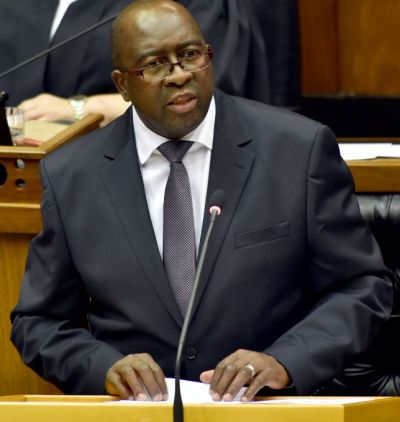 As I listened to Finance Minister Nhlanhla Nene’s budget speech it struck me that our government is in a very similar situation to most South African households.
Over the last five years, our government has been living beyond its means and borrowing money to fund its spending. Each year government has been faced with a shortfall between what it needs to meet its expenses and what it receives in taxes (income), so debt became the only alternative.
The national finances went all pear-shared as a result of the recession we faced in 2008/9, but at the time, the government believed the situation would be short-lived; that as the economy recovered, so revenue would increase and they could go back to balancing the books.
Unfortunately that never happened and South Africa’s total debt rose from just over R500bn to nearly R2 trillion in just five years. This year, R126.4bn of South African’s taxes will be spent on meeting those debt repayments compared to R76.5bn just four years ago. To put that in perspective, the share of debt repayment comes to R18 000 per taxpayer per year (based on the seven million people who pay income tax). The amount spent by government on debt payments is nearly equal to the money government spends on social grants.
How many households face the same scenario, where debt repayments make up at least 50% of their household income, leaving less and less for daily necessities like rent, groceries, petrol and school fees.
And we landed here for the same reasons: times got tougher, jobs were lost, salary increases slowed and electricity and petrol prices rose. So we borrowed to stay afloat in the hope that things would improve – we would find more jobs or at least receive better bonuses or salary increases and that at some point the price increases would slow down. We just kept kicking the can down the road, living in hope that “something” would happen down the line to sort out our finances. In fact, even before the recession, South African households were in pretty bad shape as debt levels were already high.
So as households and government alike face a ballooning debt repayment bill which is impacting our ability to meet important needs, we need to look at how our Finance Minister is addressing the problem and apply it to our own finances which, ironically due to higher personal and fuel taxes to fund government debt, will be under even more pressure.
- Reign in spending: Government will cut back on spending on luxuries including catering, entertainment and travel.
- Balance the budget: Minister Nene has put a budget proposal in place to reduce the deficit between what is collected and what is spent over the next three years. You need to have a budget!
- Pay off debt: Minister Nene cannot afford to miss any debt repayments otherwise our country’s credit score will be negatively affected, increasing the cost of debt. Make sure you don’t miss payments, or at least speak to your creditors before it is too late.
- Get your family to buy in: One of the challenges government will face is getting public servants to agree to moderate salary increases. The minister needs to get the buy-in of all government departments.
- Find other forms of income: Minister Nene has the power to raise taxes and generate more income. Unfortunately this affects households negatively, but you can also look for opportunities to take on extra work over weekends or in the evenings. Those couple of extra rands can go a long way to paying off your debt.


0 Comments